Best Sushi Rice for Making Sushi: Top Brands and Tips for Perfect Results
Best Sushi Rice for Making Sushi: Your Guide to Fluffy, Authentic Rice at Home
Selecting the best sushi rice for making sushi is crucial for achieving authentic texture and flavor. Whether you're preparing nigiri, maki, or sashimi at home, the right sushi rice will make a noticeable difference in your results—in stickiness, taste, and overall presentation. Let’s explore the top brands, key qualities, preparation advice, and expert tips to guarantee perfect sushi rice every time.
What Is the Best Sushi Rice for Homemade Sushi?
The best sushi rice for making sushi is short-grain or medium-grain Japanese rice, known as "shari" when seasoned. These varieties are prized for their sticky texture, allowing rice to hold shape without being mushy or too dry. Key features of ideal sushi rice:
- Short or medium grain texure for stickiness
- High starch content for cohesiveness
- Clean, subtle flavor to complement fish and fillings
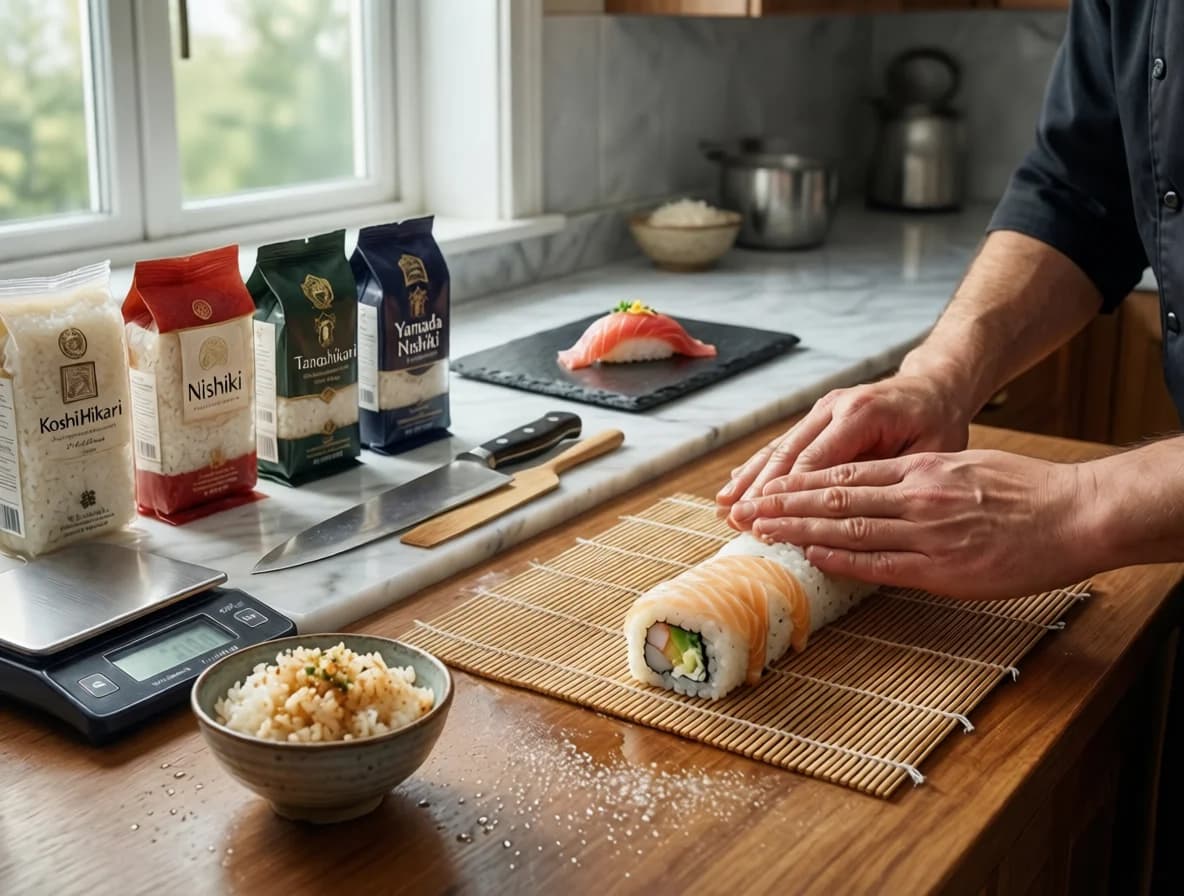
Top recommended brands include:
- Koshihikari (premium Japanese variety)
- Lundberg Organic Sushi Rice (U.S.-grown, widely available)
- Nishiki Medium Grain Rice (American-grown, popular)
- Tamanishiki Super Premium Rice (blend of Koshihikari and Yumegokochi)
How to Cook Sushi Rice for Best Results
1. Wash the Rice Thoroughly
- Rinse until water runs clear to remove extra starch and prevent gumminess.
2. Perfect the Water-to-Rice Ratio
- For 1 cup of dry sushi rice, use 1.1–1.2 cups water for stovetop, or 1 cup for rice cooker.
3. Season Properly
- Mix warm rice with a blend of rice vinegar, sugar, and salt while fanning to cool. This brings sparkle and the signature taste.
Pro tip: Use a wooden hangiri bowl or a large flat dish for mixing while preserving the rice texture.
Top FAQs About Sushi Rice
What Rice Do Sushi Restaurants Use?
Most high-end sushi restaurants use Japanese-grown Koshihikari but quality U.S. grown varieties are common for home cooks.
Can I Use Jasmine or Basmati Rice for Sushi?
No. Long-grain rice lacks the necessary stickiness and leads to crumbly, unstructured sushi.
Is There Pre-Seasoned Sushi Rice?
Pre-seasoned rice is available but customizing seasoning offers better control and authentic taste.
Best Sushi Rice Brands: Comparison Table
| Brand | Origin | Grain Type | Ideal For |
|---|---|---|---|
| Koshihikari | Japan/U.S. | Short Grain | Authentic premium sushi |
| Nishiki | U.S. | Medium Grain | Everyday sushi |
| Tamanishiki | U.S. | Short Grain | Special occasions |
| Lundberg | U.S. | Short Grain | Organic home sushi |
Tips for Storing and Handling Sushi Rice
- Store uncooked rice in a cool, dry place, sealed airtight.
- Use cooked rice within hours for best texture.
- Never refrigerate seasoned sushi rice; it becomes hard and dry.
Conclusion: Choose the Best Sushi Rice for Perfect Homemade Sushi
Selecting the best sushi rice for making sushi ensures your homemade rolls and nigiri are as delicious and authentic as possible. Opt for reputable brands, perfect your prep method, and enjoy restaurant-quality sushi at home! Ready to upgrade your sushi rice? Try a premium short-grain and taste the difference—your sushi guests will thank you.