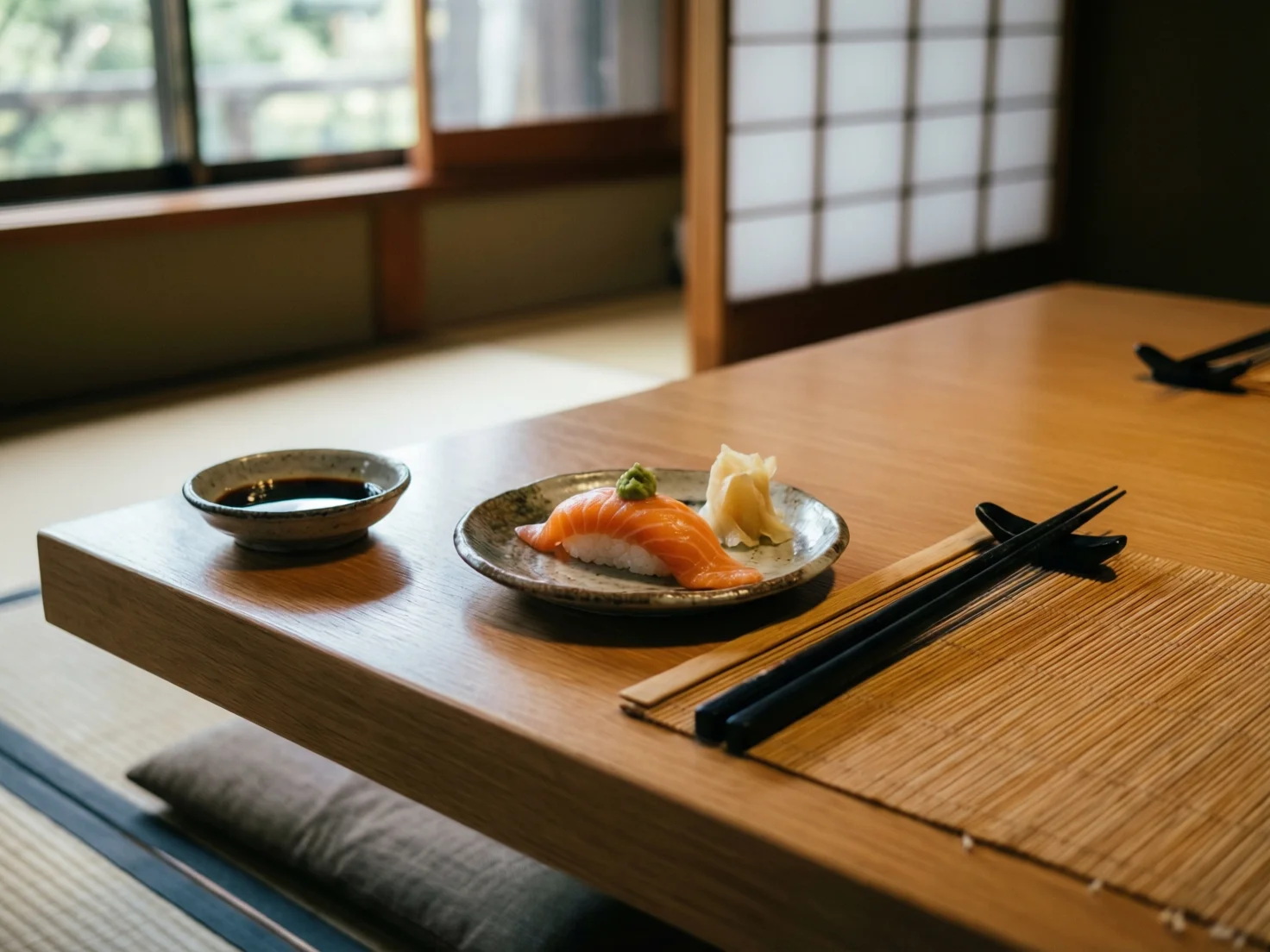
Mastering Sushi Etiquette: Unspoken Rules for a Respectful Dining Experience
Introduction
Sushi isn’t just about exquisite flavors—it's a window into the mindful rituals of Japanese dining. It’s easy to focus on the taste and artistry, but understanding sushi etiquette elevates your experience and shows respect for the culinary tradition and those who create it. This guide explores the lesser-known and unspoken rules of sushi dining, from the perspectives of chefs, regulars, and even non-Japanese guests.
The Atmosphere: Respect Before the First Bite
Observing Your Surroundings
When you enter a sushi restaurant, especially an omakase or sushi bar, take a moment to observe:
- How do regulars interact with staff?
- Is there a hush of respect or friendly banter?
The Role of the Itamae (Sushi Chef)
The itamae isn’t just a cook—they’re the conductor of your meal. Acknowledge them with a polite nod. Avoid calling out or snapping your fingers for service; let the chef or staff approach you.
Savoring the Experience: How to Order and Eat Sushi
The Right Way to Order Sushi
- Omakase (chef’s choice) is common, signaling trust in the chef's artistry.
- For à la carte, order gradually. Avoid requesting all pieces at once so each is fresh.
- Curious about an ingredient? Ask, but avoid interrogating every selection—trust the chef’s vision.
Handling Soy Sauce and Wasabi
- If your sushi already has sauce or seasoning, don't dip it again.
- Use a small amount of soy sauce—too much is disrespectful.
- Never mix wasabi into the soy sauce. Place a small amount, if needed, atop the fish.
Eating: Hands or Chopsticks?
- Nigiri sushi is traditionally eaten with the hands, sashimi with chopsticks.
- If provided, use oshibori (wet towel) to clean your hands before eating.
- Eat nigiri in one bite if possible.
Expert-Level Etiquette: Subtle Gestures Matter
Don’t Pass Food From Chopstick to Chopstick
This mimics a funeral ritual in Japan and is considered ill-mannered. Place items directly on your companion's plate.
Avoid Perfume and Strong Scents
Fragrances interfere with the delicate aromas of sushi and can disrupt others' enjoyment.
Photograph Discreetly
Ask before photographing your food. If you must, avoid using flash and keep it quick—savor the moment.
Cultural Sensitivity: Going Beyond the Basics
Learn Key Phrases
A simple "itadakimasu" before eating or "gochisousama deshita" after shows deep respect.
Tipping: What’s Appropriate?
In Japan, tipping is rare, but in Western sushi restaurants, tip according to local customs. A sincere thank you can go a long way.
Respond to the Chef
If seated at the bar, thank the chef directly; a compliment in Japanese is often appreciated.
Unspoken Rules: Stories from Sushi Veterans
Some regulars recount creating lasting bonds by gifting small tokens to favorite chefs, or being invited to try secret off-menu items for respectful behavior. The most memorable sushi experiences stem from humility and genuine interest in the culture—not just the cuisine.
Conclusion: Beyond Taste—Embracing the Spirit of Sushi
True sushi appreciation lies not only in what’s on your plate, but in how you engage with the craft, the chef, and the tradition. The next time you sit at a sushi bar, remember: mind your manners, stay curious, and savor the full cultural experience.
Call to Action
Ready to immerse yourself in the world of sushi? Try these etiquette tips at your next visit—and share your favorite respectful sushi moments with us!