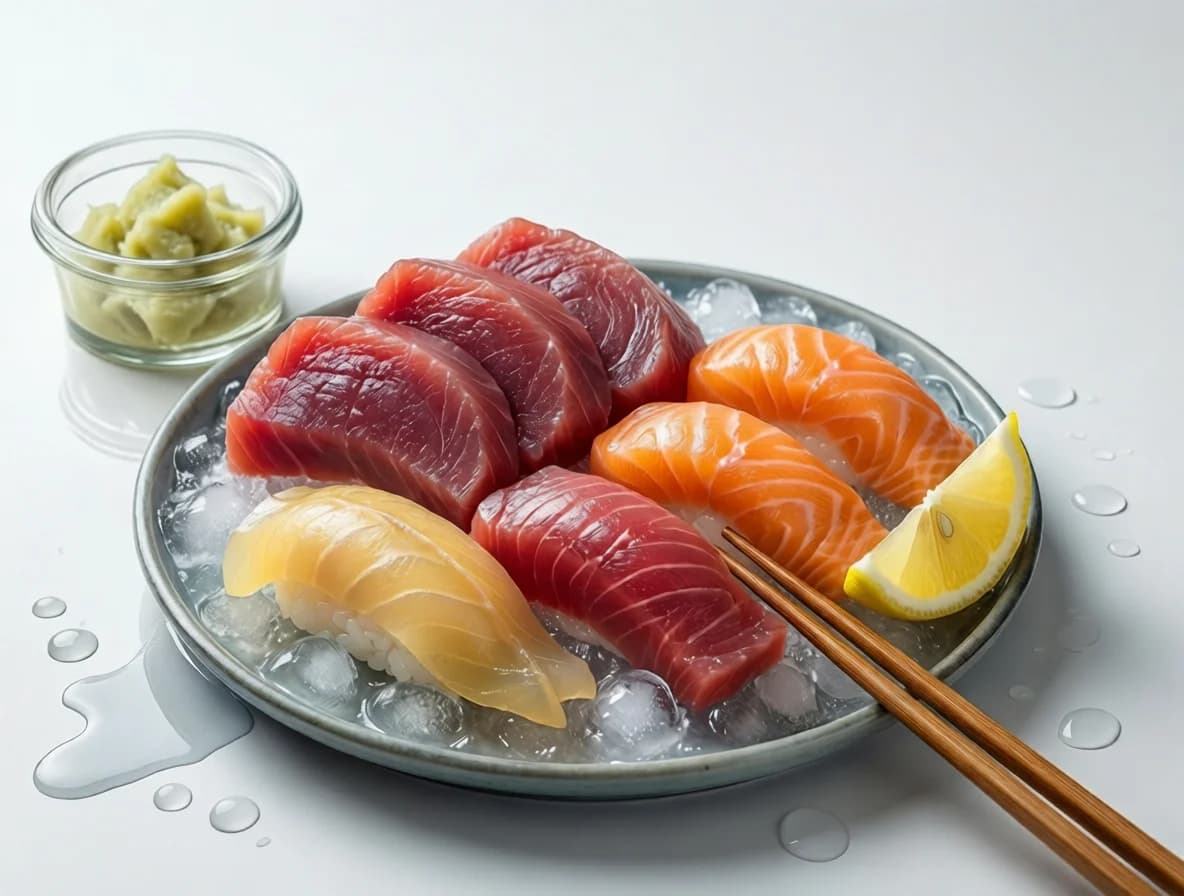
Sushi Grade Fish: What It Means and How to Choose Safely
Sushi Grade Fish: What It Means and How to Choose Safely
If you're searching for sushi grade fish, it's crucial to understand what the term means and how to select the best and safest options for homemade sushi. Sushi grade fish refers to fish deemed safe for raw consumption, but the phrase isn't regulated by law. Instead, it signals that suppliers have followed specific handling, freezing, and quality standards to minimize risks of parasites or bacteria.
What Is Sushi Grade Fish?
Sushi grade fish is a designation used by fish markets and suppliers to indicate the fish can be safely eaten raw. This typically involves:
- Sourcing from reputable suppliers
- Immediate gutting and chilling after catching
- Rapid freezing at -20°C (-4°F) or lower to kill parasites (especially for saltwater fish)
How to Identify Sushi Grade Fish at Stores
When shopping for sushi grade fish, keep these tips in mind:
- Ask the fishmonger: Request details about freeze standards and certifications.
- Check for labeling: Look for products marked “sushi grade” or “sashimi grade.”
- Examine appearance: The fish should look vibrant, not opaque or discolored.
- Smell: High-quality fish should have a clean, ocean-like scent, not a strong fishy odor.
- Source transparency: Choose stores or markets specializing in sushi or high-quality seafood, providing information about their supply chain.
Sushi Grade Fish vs. Regular Fish
Many consumers wonder if there's a real difference between sushi grade fish and regular fish. The key differences:
- Freezing practices: Sushi grade fish is flash-frozen to kill parasites; regular fish may not be.
- Handling: Sushi grade options are processed with stricter hygiene to avoid contamination.
- Intended consumption: Sushi grade fish is meant for raw dishes; regular fish is intended for cooking.
Most Popular Types of Sushi Grade Fish
Some varieties tend to be safer and better-suited for raw consumption. Popular examples include:
- Tuna (maguro, bluefin, yellowfin): Low risk of parasites, often used raw
- Salmon: Must be frozen to kill parasites
- Hamachi (yellowtail)
- Snapper
- Scallop
- Mackerel (must be marinated or cured)
Is Sushi Grade Fish Safe?
While sushi grade fish is safer than untreated options, no raw fish is 100% risk-free. You can reduce your risk by:
- Buying only from reputable, high-turnover suppliers
- Handling fish with clean utensils and surfaces
- Storing fish at the proper cold temperature
- Consuming the fish promptly
Where to Buy Sushi Grade Fish
You can find sushi grade fish at:
- Specialized fish markets
- Japanese or Asian grocery stores
- Online seafood suppliers
- Some high-end supermarkets
Always check reviews, storage conditions, and certifications when buying online or in-store.
Sushi Grade Fish for Home Sushi: Tips
- Always refrigerate or freeze until use
- Slice with a clean, sharp knife
- When in doubt, cook the fish rather than eat raw
- Start with tuna if you're a novice, as it's a safer choice
Conclusion
Choosing sushi grade fish is essential for safe, delicious homemade sushi. Always buy from trusted sources, verify freezing standards, and prioritize freshness. Ready to elevate your at-home sushi experience? Seek out high-quality sushi grade fish and explore new flavors—safely.